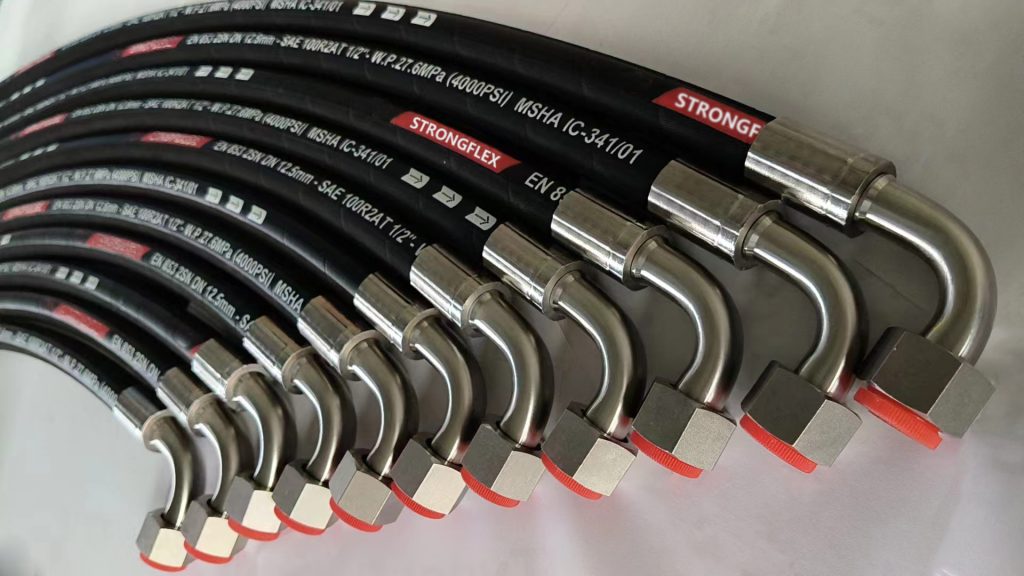
Hydraulic Hose Maintenance: Common Problems and How to Prevent Them
Hydraulic systems are widely used in industrial machinery, construction equipment, manufacturing systems, and other demanding applications. Hydraulic hoses are critical components of these systems, but they can deteriorate over time due to pressure, heat, movement, abrasion, and environmental conditions.
Regular inspection and maintenance can help identify problems early and reduce the risk of unexpected equipment downtime.
Common Causes of Hydraulic Hose Failure
Hydraulic hoses can fail for several reasons. Some of the most common causes include excessive pressure, high temperatures, incorrect installation, abrasion, excessive bending, and aging.
Identifying these causes early can help businesses prevent repeated hose failures.
Look for Visible Damage
Regularly inspect hydraulic hoses for signs of wear or damage.
Common warning signs include:
- Cracks or cuts on the outer cover
- Bulging areas
- Abrasion or exposed reinforcement
- Oil leakage
- Kinks or flattened sections
- Damaged fittings
- Excessive bending
A hose showing significant damage should be inspected by a qualified professional and replaced when necessary.
Check for Oil Leaks
Small hydraulic leaks should never be ignored. Even a minor leak can become a serious failure if the hose continues to deteriorate.
Leaks around fittings may indicate incorrect installation, damaged seals, loose connections, or fitting problems.
Avoid Excessive Bending
Hydraulic hoses should be installed according to their recommended bend radius. Excessive bending can place additional stress on the hose reinforcement and shorten its service life.
Proper routing and suitable hose lengths can help prevent unnecessary stress.
Protect Hoses From Abrasion
Hoses that constantly rub against machinery, metal surfaces, or other components can experience accelerated wear.
Where necessary, protective sleeves, clamps, and suitable routing should be used to minimize abrasion.
Monitor Temperature and Pressure
Excessive pressure and temperature can significantly reduce hose life.
The hose selected for an application should have suitable pressure and temperature ratings. Operating equipment outside recommended limits can increase the likelihood of hose failure.
Replace Damaged Hoses Promptly
Repairing a severely damaged hydraulic hose is not always a reliable solution. When a hose reaches the end of its service life or shows serious deterioration, replacement is generally the safer option.
Using the correct replacement hose and fittings is equally important.
Professional Hydraulic Hose Support
For industrial operations, having access to professional hydraulic hose services can reduce equipment downtime. On-site hose service can be particularly useful when machinery cannot easily be transported to a workshop.
QSB International provides hydraulic hose-related solutions and services to support industrial and commercial applications.
Conclusion
Regular hydraulic hose inspection is a simple but important part of equipment maintenance. Identifying leaks, abrasion, cracks, excessive bending, and other warning signs early can help prevent unexpected failures.
Proper hose selection, installation, routing, and maintenance can contribute significantly to safer and more reliable hydraulic systems.